Weight Loss Surgery in Nairobi 24 September 2026

When 100 KG+ begins affecting more than your weight.

Poor sleep. Rising blood sugar. Knee and back pain. Breathlessness. Reduced mobility. Repeated weight regain. Severe obesity can gradually become a medical and everyday-life burden.

24 SEPT
Dr Mohit Bhandari's Weight Loss Surgery Programme 3rd Park Hospital · Nairobi · Kenya
Pre-surgery evaluation and planning before treatment.
Understand whether this is relevant to you →
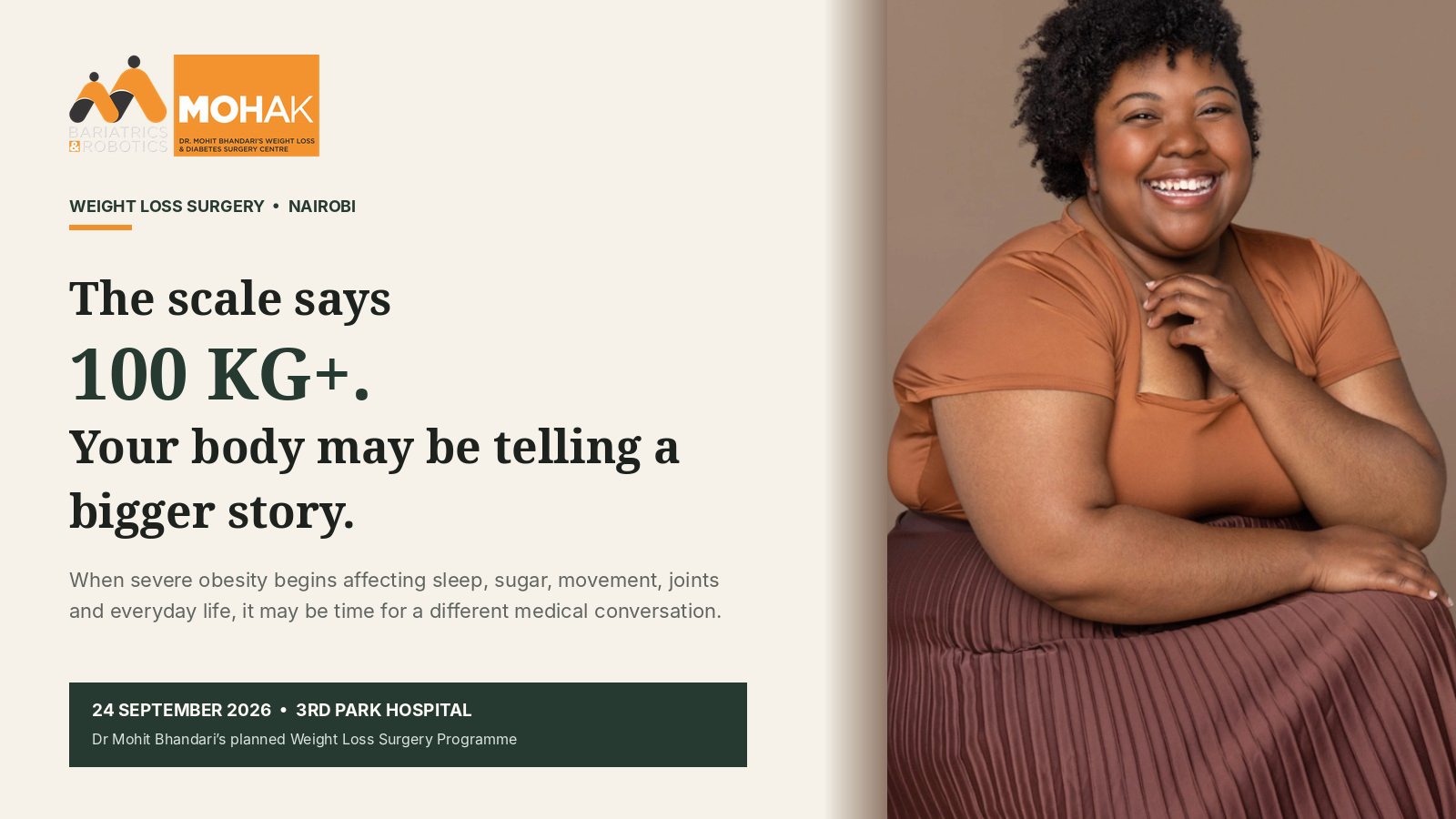
Weight loss surgery in Nairobi for severe obesity with Dr Mohit Bhandari
Severe obesity · health · daily function

When does weight above 100 kg become a medical concern?

The important question is not simply how much somebody weighs. It is how much obesity has started affecting health, movement and everyday life.

Two people can weigh exactly the same and experience very different levels of obesity-related disease.

Severe obesity may gradually appear as poor sleep, rising blood sugar, breathlessness, knee or back pain, reduced mobility, fatty liver disease and repeated difficulty maintaining major weight loss.

This is why obesity treatment should not be reduced to the instruction to simply “eat less and move more.”

At 100 KG+, the goal is not simply to become lighter.

The goal is to become less burdened by obesity.

Better metabolic health. Better mobility. Better daily function. Fewer obesity-related limitations—where clinically achievable.

Woman exercising as part of mobility and obesity management
Everyday function

Severe obesity can gradually make ordinary life more difficult.

Not because somebody wants less from life, but because ordinary activities begin demanding more from the body.

Walking Distances that once felt ordinary may begin to require pauses or recovery.
Stairs Breathlessness and joint pain can change which routes people choose.
Travel Seating, long walks and physical comfort may increasingly influence plans.
Physical activity Exercise can become harder at precisely the time increased activity is recommended.
Independence Dressing, footwear, personal care and ordinary movement may become more difficult.
BMI & bariatric surgery

Does weighing more than 100 kg mean you need weight loss surgery?

No. A person weighing 105 kg at 190 cm and another person weighing 105 kg at 155 cm have very different BMI profiles.

Bariatric and metabolic surgery decisions consider BMI together with obesity-related disease, previous treatment, nutritional status, medical history and individual surgical risk.

BMI starts the conversation. It does not make the decision by itself.

Calculate your BMI

Educational screening only. BMI alone does not establish suitability for surgery.

Why substantial weight loss can be difficult

Lifestyle still matters. Severe obesity may need more than lifestyle alone.

Nutrition, physical activity, sleep and behavioural change remain important throughout obesity treatment.

Severe obesity, however, is influenced by appetite regulation, satiety signalling, metabolic adaptation, sleep, hormones, insulin resistance and previous weight-loss history.

After major weight loss, biological mechanisms can favour weight regain in some people.

That does not automatically mean surgery is required. But repeated inability to maintain substantial weight loss should not simply be interpreted as a lack of willpower.

Woman exercising during structured obesity treatment
Metabolic & bariatric surgery

When does weight loss surgery become a serious medical conversation?

Surgery is not an operation for everybody who wants to lose weight. It becomes relevant when the severity of obesity and its health burden justify discussing surgical treatment alongside risks and long-term care.

01

Gastric Sleeve Surgery

Also called laparoscopic sleeve gastrectomy. A substantial portion of the stomach is removed, leaving a narrower gastric sleeve.

Procedure choice may be influenced by BMI, reflux, eating behaviour, metabolic disease, anatomy and long-term requirements.
02

Roux-en-Y Gastric Bypass

Gastric bypass creates a smaller stomach pouch and reroutes part of the small intestine, producing gastrointestinal and metabolic effects.

It may be considered in particular clinical settings, including some patients with significant metabolic disease or reflux.
03

One-Anastomosis Gastric Bypass

Also called OAGB or mini gastric bypass, this is another established bariatric and metabolic procedure.

Higher body weight by itself does not automatically determine which operation should be selected.
04

Revisional Bariatric Surgery

Patients who have previously undergone bariatric surgery may need evaluation for weight recurrence, reflux, anatomical problems or inadequate treatment response.

Revision requires careful assessment of the previous procedure, current anatomy, nutritional status and reason for further treatment.
High-BMI bariatric surgery

Why does planning matter more when a patient weighs 120, 140 or 160 kg?

Very high BMI can increase peri-operative complexity. The operation itself is only one part of a complete bariatric programme.

01
Airway and anaesthesia
Severe obesity and sleep apnoea can influence anaesthetic planning.
02
Diabetes management
Glucose and medication management may require careful peri-operative review.
03
Thrombosis prevention
Individual risk assessment and preventive measures are important.
04
Mobility and respiratory care
Mobilisation and respiratory planning may be particularly relevant during recovery.
05
Procedure selection
Very high weight alone does not dictate which operation should be performed.
Nairobi · over time

This is not Dr Mohit Bhandari's first conversation with Kenya.

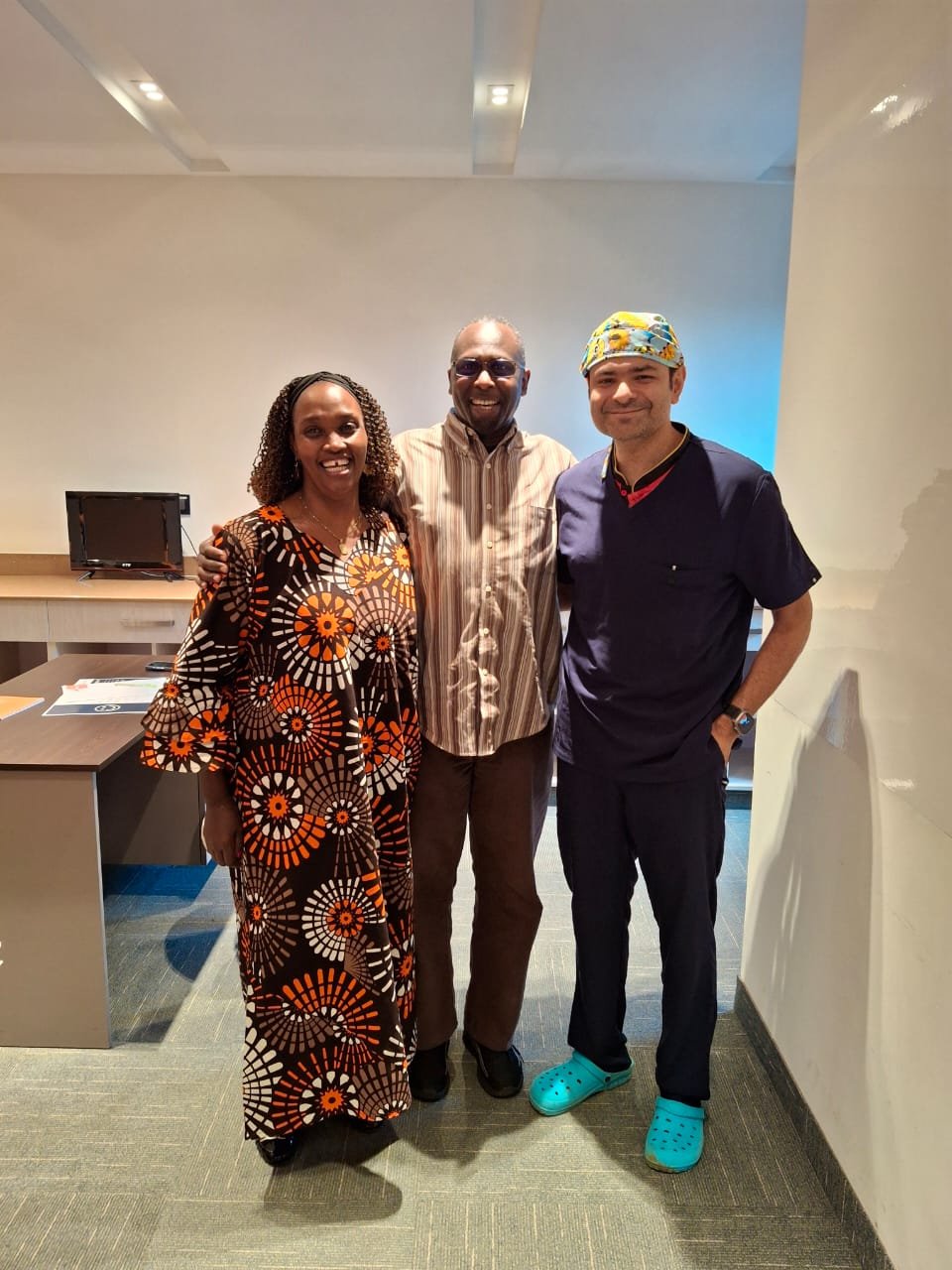
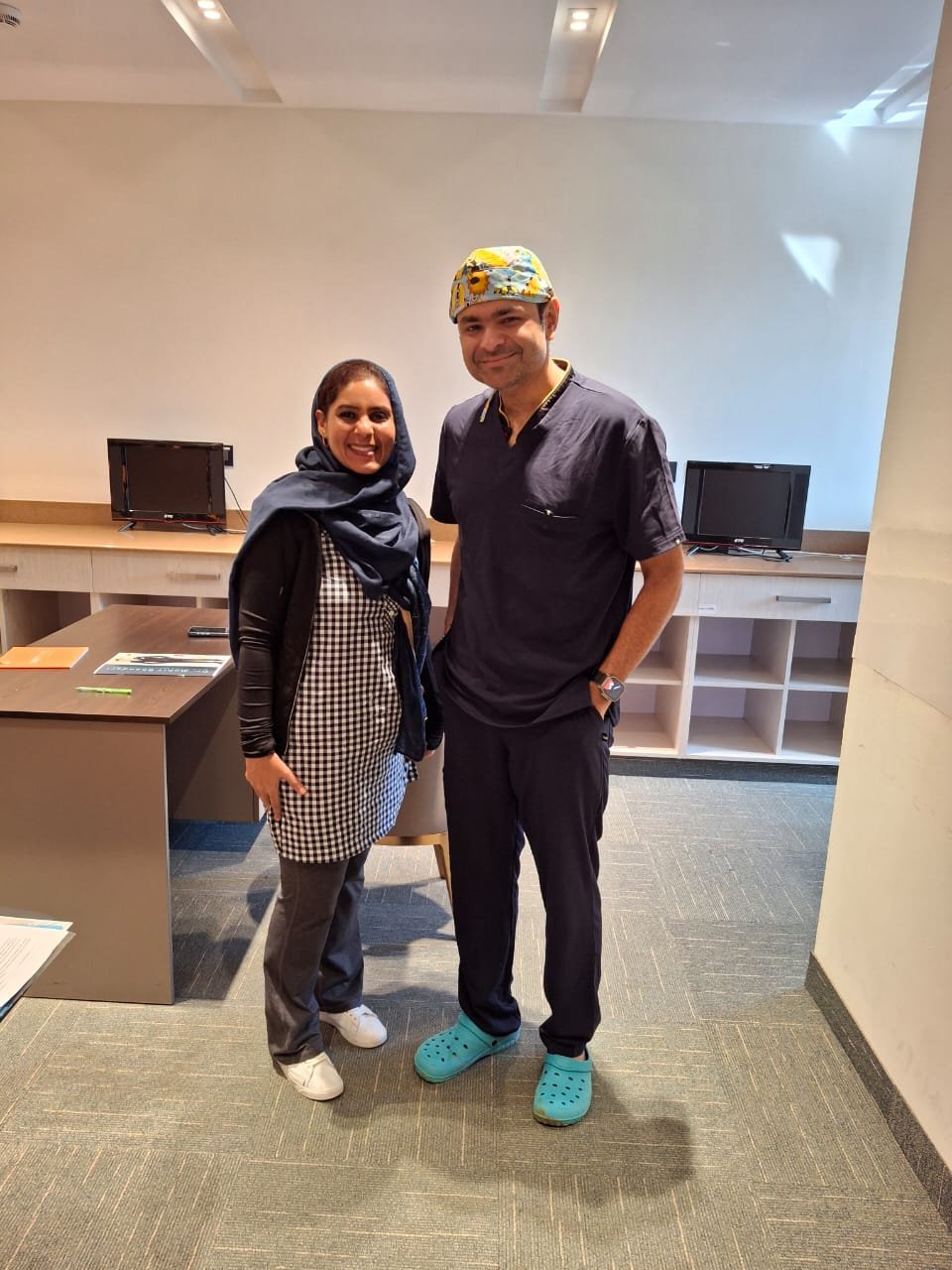
The photographs below document previous interactions in Nairobi. They demonstrate continuity of engagement and do not imply that every person pictured underwent bariatric surgery or achieved a particular clinical result.
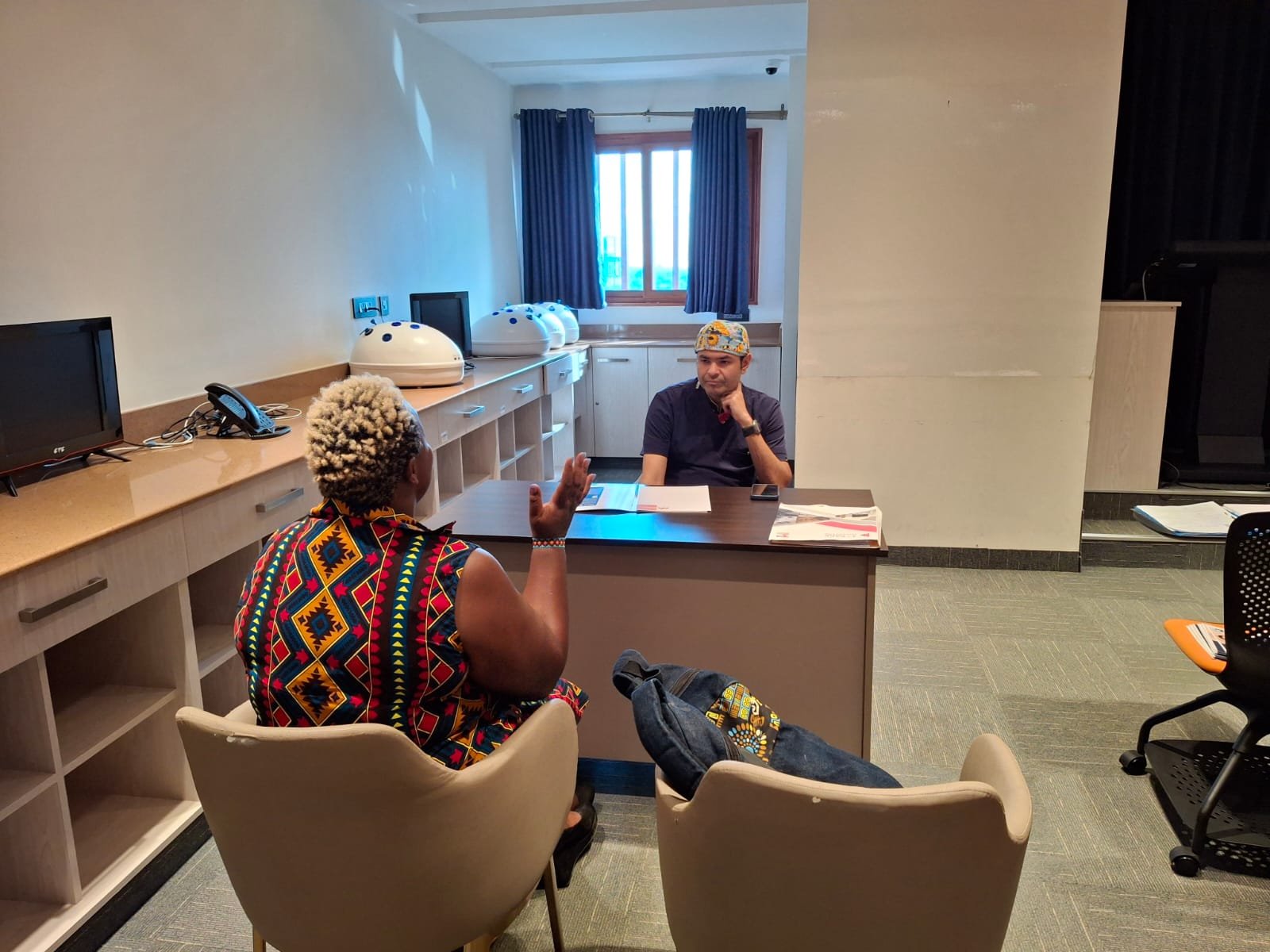
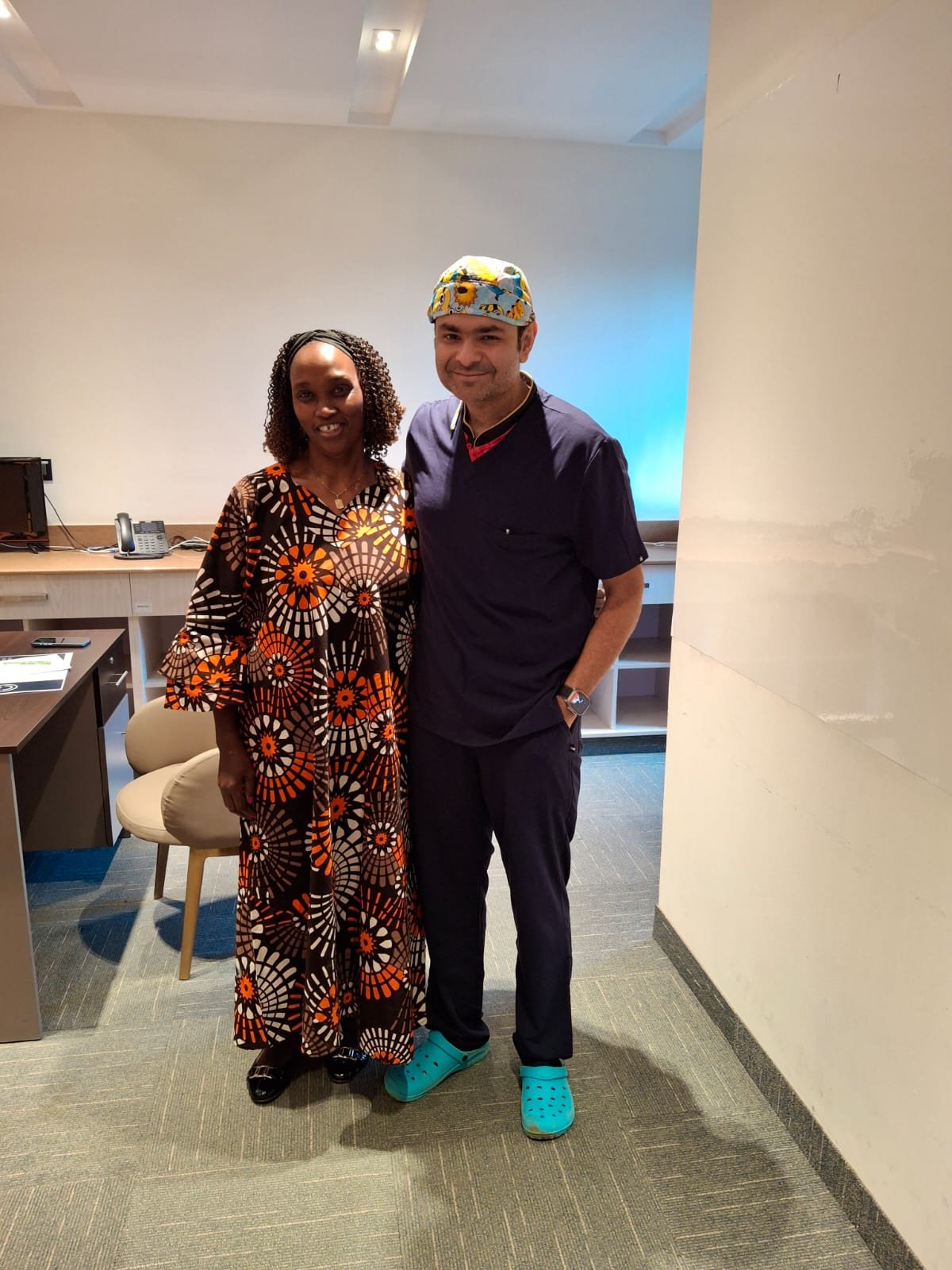
Dr Mohit Bhandari during a previous Nairobi interaction
Previous Nairobi interaction
Previous Dr Mohit Bhandari Nairobi interaction
Previous Nairobi interaction
Dr Mohit Bhandari previous Nairobi visit
Previous Nairobi interaction
Previous Dr Mohit Bhandari Kenya interaction
Previous Nairobi interaction
Previous Mohak Bariatrics Nairobi interaction
Previous Nairobi interaction
Dr Mohit Bhandari bariatric surgeon in Nairobi
Bariatric & metabolic surgeon

Why surgeon experience matters when obesity is complex

The surgeon's role begins before the operation itself.

Dr Mohit Bhandari works in bariatric, metabolic, minimally invasive, robotic and revisional obesity surgery.

In higher-BMI patients, clinical decision-making includes determining whether surgery is appropriate, selecting the right procedure, evaluating metabolic disease and surgical risk, and planning postoperative nutrition and follow-up.

Clinical focus Bariatric and metabolic surgery
Procedures Sleeve gastrectomy, gastric bypass, OAGB and other bariatric procedures where clinically appropriate
Complex care High-BMI and revisional bariatric surgery assessment
Kenya Previous Nairobi interactions and planned 24 September surgical programme
Planned Weight Loss Surgery Programme

24 September

The date should not rush the decision. It should help patients already considering bariatric surgery complete evaluation and treatment planning beforehand.

Surgeon Dr Mohit Bhandari
Programme Weight Loss Surgery
Date 24 September 2026
Hospital 3rd Park Hospital
Location Nairobi · Kenya
Before surgery Clinical evaluation, procedure discussion and pre-operative assessment
Patient questions

Weight Loss Surgery in Nairobi: Frequently Asked Questions

Does weighing more than 100 kg mean I need bariatric surgery?
No. Body weight alone does not determine whether surgery is appropriate. BMI, obesity-related conditions, previous treatment, nutritional status and overall clinical assessment all matter.
What BMI is considered for weight loss surgery?
Contemporary bariatric guidance recommends metabolic and bariatric surgery for many adults with BMI 35 kg/m² or higher and recognises surgery at lower BMI levels in appropriate patients, particularly where type 2 diabetes or significant metabolic disease is present.
Which is better: gastric sleeve or gastric bypass?
Neither procedure is automatically better for every patient. BMI, reflux, metabolic disease, previous surgery, anatomy and nutritional considerations can all influence procedure selection.
Is bariatric surgery riskier at 140 or 150 kg?
Very high BMI can increase peri-operative complexity. Appropriate anaesthesia assessment, thrombosis prevention, hospital preparedness and postoperative monitoring therefore become important.
Can weight loss surgery improve type 2 diabetes?
Metabolic and bariatric surgery can substantially improve glycaemic control in many appropriately selected patients. Some may experience diabetes remission, but remission is not the same as a guaranteed permanent cure.
How much does weight loss surgery cost in Nairobi?
Cost depends on the procedure recommended, investigations, hospital requirements, anaesthesia, clinical complexity and postoperative care. A programme-specific estimate should follow preliminary clinical review.
Is Dr Mohit Bhandari performing weight loss surgery in Nairobi on 24 September?
A planned Dr Mohit Bhandari Weight Loss Surgery Programme is scheduled for 24 September 2026 at 3rd Park Hospital, Nairobi. Surgery should follow appropriate pre-operative evaluation, procedure discussion and informed consent.

Medical, surgical and content disclaimer

This article is provided for general health education, obesity awareness and information regarding the planned Nairobi surgical programme. It does not diagnose obesity, establish eligibility for surgery, recommend a particular procedure for an individual, or replace individual medical consultation.

Body weight or BMI alone cannot establish suitability for metabolic or bariatric surgery. Treatment decisions should follow appropriate clinical assessment, investigations, evaluation of obesity-related conditions, discussion of reasonable surgical and non-surgical alternatives, assessment of peri-operative risk and patient-specific informed consent.

Bariatric and metabolic surgery carries potential risks and complications. Weight loss and improvement in diabetes, blood pressure, sleep apnoea, fatty liver disease, mobility or other obesity-associated conditions vary between individuals and cannot be guaranteed.

The 24 September 2026 programme date does not itself establish medical suitability for surgery. Patients considering treatment should complete the required evaluation before proceeding.

Add Your Heading Text Here

Talk to us?