
- By admin
- weight loss program
- 0 Comment
We Were "Non-Surgical" Before It Was a Trend
In 2026, every clinic offers “Weight Loss Shots.” But at Mohak Bariatrics, Medical Weight Loss isn’t a new experiment – it is a legacy.
Long before the current “GLP-1 Revolution,” Dr. Mohit Bhandari was already pioneering the non-surgical landscape in India.
- First to introduce the Swallow Balloon.
- First to perform Endoscopic Sleeve Gastroplasty (ESG).
We understand non-surgical interventions better than anyone because we wrote the playbook in India. When you choose Mohak, you aren’t just getting a prescription; you are getting a protocol backed by 35,000+ success stories.
The "Mohak GLP-1 Protocol": Why It’s Different
Any doctor can write a prescription. But managing a metabolic transformation requires expertise. The Mohak Medical Weight Loss Program is strictly Surgeon-Supervised to ensure safety and sustainability.
- Body Composition, Not Just Weight loss drugs can sometimes cause muscle loss along with fat loss. We use advanced Body Composition Analysis to monitor your muscle mass. Our goal is to make you leaner, not weaker.
- The “Exit Strategy” (Crucial) Most clinics keep you on medication forever. We plan your exit from Day 1. Our team designs a “Bridging Protocol”– using nutritional therapy or a temporary Gastric Balloon – to help you wean off the medication without experiencing the dreaded “Rebound Weight Gain.”
- Rescue Capability Non-surgical doesn’t mean “Risk-Free.” If you experience severe side effects (like gastroparesis or dehydration), you need a hospital, not a clinic. At Mohak, you have 24/7 access to a world-class bariatric support team.
Dr. Bhandari’s "Traffic Light" System
Are you confused between Pills, Balloons, and Surgery? Dr. Bhandari uses the Metabolic Traffic Light system to match the treatment to your body.
- 🟡 Yellow Zone (BMI 27 – 30): The “Nudge”
- Ideal Candidate: You need to lose 8-12 kg for a wedding, an event, or general fitness.
- Our Tool: Medical Therapy (GLP-1 Agonists) or the 6-Month Balloon.
- Goal: Rapid cosmetic weight loss with lifestyle correction.
- 🟠 Orange Zone (BMI 30 – 35): The “Bridge”
- Ideal Candidate: You have early-stage metabolic issues (PCOS, pre-diabetes) but aren’t ready for surgery.
- Our Tool: Endoscopic Sleeve Gastroplasty (ESG) or Adjustable Spatz3 Balloon.
- Goal: Significant non-surgical weight loss (15-20% of body weight).
- 🔴 Red Zone (BMI 35+ or Diabetes): The “Rescue”
- Ideal Candidate: You are fighting Type 2 Diabetes, Sleep Apnea, or severe obesity.
- Our Tool: Robotic Bariatric Surgery.
- Goal: Permanent metabolic reset and organ protection. Medications here are used only to prepare you for surgery.
The "GLP-1" Explained: How Does It Work?
We use FDA-approved medications (like Semaglutide/Liraglutide) that mimic a natural hormone called GLP-1.
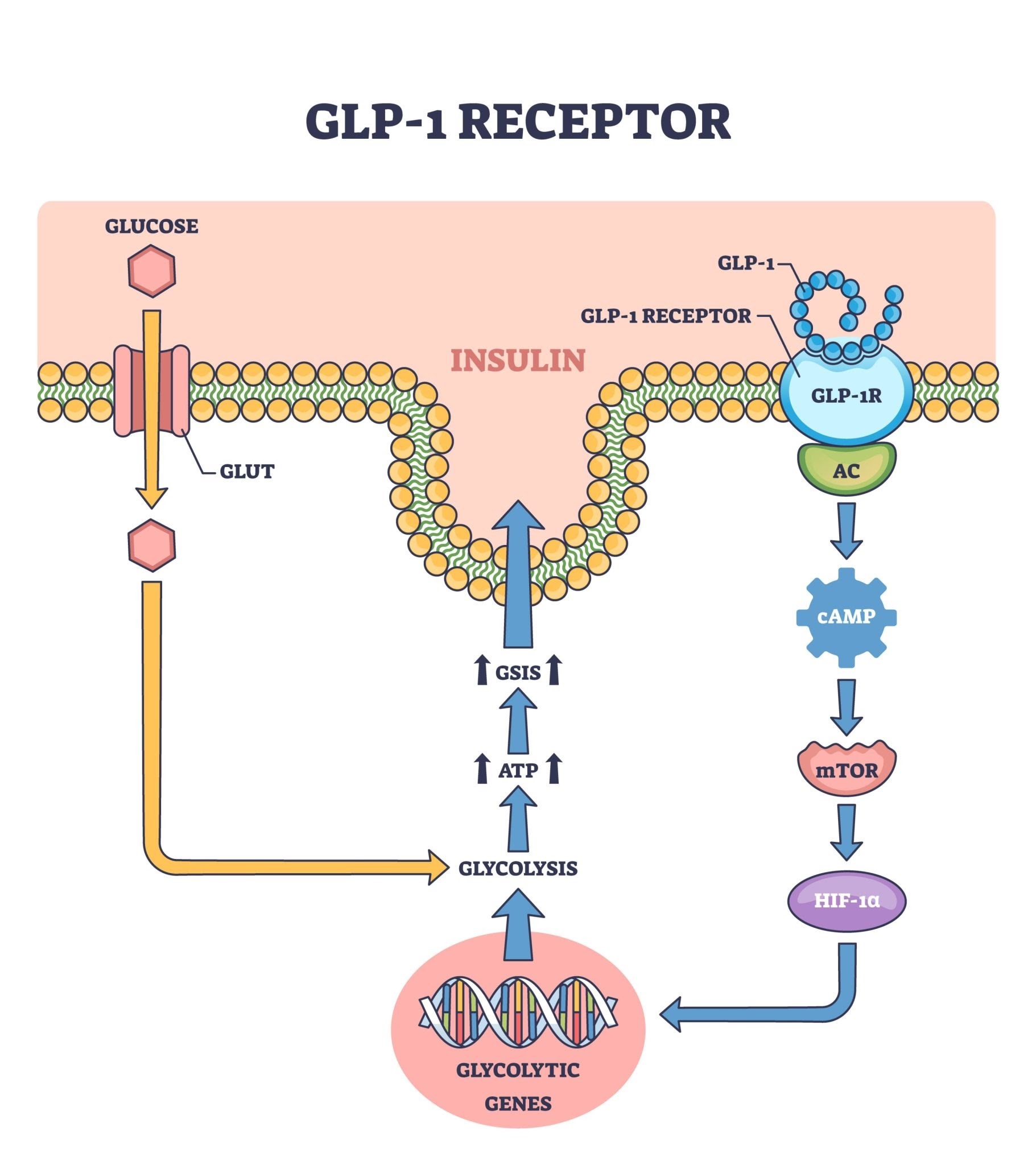
- Brain: It signals the “Satiety Center” that you are full.
- Stomach: It slows down gastric emptying, so food stays in your stomach longer.
- Result: You simply forget to eat. The “food noise” in your head goes silent.
Success Stories: The "Hybrid" Patients
“I was scared of surgery, but too heavy for just diet.” “Dr. Bhandari didn’t push me. He started me on a 3-month medical protocol. I lost 9kg, which gave me the confidence to go for the Endoscopic Sleeve. Today, I am 22kg down and medication-free. He knew exactly which step I needed.” – Priya K., Corporate Executive, Mumbai
Frequently Asked Questions
Q: Will I gain the weight back if I stop the injections?
A: Global data shows a high risk of “Rebound” if you stop abruptly without a plan. This is why the Mohak Protocol includes a structured “Weaning Phase” involving dietitians and behavior modification to protect your results.
Q: Can I just buy these online?
A: We strongly advise against it. Unsupervised use can lead to severe muscle loss, pancreatitis, or thyroid issues. You need a doctor to adjust the dosage and monitor your blood work.
Q: Is Medical Weight Loss covered by insurance?
A: Generally, medications and balloons are not covered by insurance in India yet. However, for many patients, the cost is an investment that prevents future expensive diseases like Diabetes.